
cogcontainers0718
About cogcontainers0718
The World of Shipping Containers: An Essential Pillar of Global Trade
In the vast and intricate network of global trade, shipping containers stand out as indispensable components, facilitating the seamless movement of goods across continents. These robust metal boxes, often overlooked by the general public, play a crucial role in the logistics and supply chain management of almost every industry. This article delves into the world of shipping containers, exploring their history, types, uses, and the challenges they face in the modern era.
The History of Shipping Containers
The concept of using standardized containers for shipping dates back to the mid-20th century. The modern shipping container was invented by American businessman Malcolm McLean in the 1950s. McLean, a trucking entrepreneur, recognized the inefficiencies in the traditional break bulk cargo system, where goods were loaded and unloaded individually. He envisioned a system where goods could be packed into large, standardized containers that could be easily transferred between different modes of transport—ships, trucks, and trains—without the need for repackaging.
In 1956, McLean launched the first container ship, the Ideal X, which carried 58 containers from Newark, New Jersey, to Houston, Texas. This pioneering voyage marked the beginning of a revolution in the shipping industry. The standardization of container sizes and the development of specialized container ships and handling equipment soon followed, leading to significant improvements in efficiency and cost reduction.
Types of Shipping Containers
Shipping containers come in various sizes and types, each designed to meet specific transportation needs. Here are some of the most common types:
-
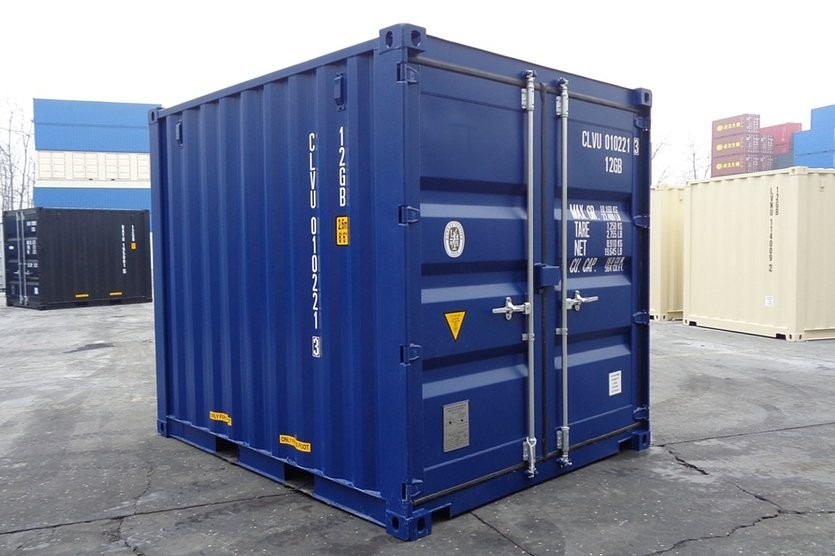
Dry Storage Containers: These are the most common type of shipping containers, used for general cargo that does not require temperature control. They are typically 20 feet or 40 feet in length.
-
Refrigerated Containers: Also known as ”reefers,” these containers are equipped with temperature control systems to transport perishable goods such as fruits, vegetables, and pharmaceuticals.
-
Open Top Containers: These containers have a removable top, allowing for the loading of oversized or heavy cargo that cannot be loaded through the standard doors.
-
Flat Rack Containers: Designed for extra-large and heavy cargo, these containers have collapsible sides, making them ideal for transporting vehicles, machinery, and other oversized items.
-
Tank Containers: These are specialized containers used for the transportation of liquids and gases. They are typically made of stainless steel and are equipped with valves and gauges for safe handling.
-
Insulated Containers: These containers are designed to maintain a consistent temperature without the need for refrigeration, making them suitable for temperature-sensitive goods.
The Role of Shipping Containers in Global Trade
Shipping containers have transformed the way goods are transported around the world. Here are some key benefits they offer:
- Efficiency: Standardized containers allow for faster loading and unloading, reducing the time and labor costs associated with cargo handling.
- Cost-Effectiveness: The use of containers has significantly reduced the cost of shipping goods, making international trade more accessible and affordable.
- Security: Containers provide a secure environment for goods, reducing the risk of theft and damage during transit.
- Flexibility: Containers can be easily transferred between different modes of transport, making it possible to create efficient and flexible supply chains.
Challenges and Innovations
Despite their numerous advantages, shipping containers face several challenges in the modern era:
- Environmental Impact: The production and disposal of shipping containers have significant environmental implications. Efforts are being made to develop more sustainable materials and recycling processes.
- Capacity Constraints: The global demand for shipping containers often outstrips supply, leading to shortages and increased costs. The industry is exploring ways to optimize container usage and reduce waste.
- Technology Integration: The integration of advanced technologies, such as IoT sensors and blockchain, is transforming the way containers are tracked and managed, enhancing transparency and efficiency in the supply chain.
FAQs About Shipping Containers
-
What is the standard size of a shipping container?
- The most common sizes are 20-foot and 40-foot containers. There are also 45-foot and 53-foot containers used in certain regions.
-
How are shipping containers made?
- Shipping containers are typically made from corrugated steel, with a wooden floor and aluminum or steel doors. The manufacturing process involves cutting, welding, and painting the metal components.
-
Can shipping containers be used for purposes other than shipping?
- Yes, shipping containers are increasingly being repurposed for a variety of uses, including housing, offices, and retail spaces. They are also used for temporary storage and disaster relief.
-
How long do shipping containers last?
- A well-maintained shipping container can last for 20-30 years. However, the lifespan can vary depending on the usage and environmental conditions.
-
What are the environmental concerns associated with shipping containers?
- The production and disposal of shipping containers can contribute to environmental pollution. However, efforts are being made to develop more sustainable practices, such as using recycled materials and improving recycling processes.
Shipping containers have revolutionized global trade, making it faster, more efficient, and more cost-effective. From their humble beginnings in the 1950s to their current role as the backbone of international logistics, these metal boxes have proven their worth time and time again. As the world continues to evolve, so too will the shipping container industry, with ongoing innovations aimed at addressing environmental concerns and optimizing supply chain efficiency.
In a world where the movement of goods is more interconnected than ever, the importance of shipping container hire uk (Cogcontainersltd.com) containers cannot be overstated. They are not just containers; they are the vessels that carry the world’s economy.
Sort by:
No listing found.